 App Stream Watch Movies, Sports, and TV
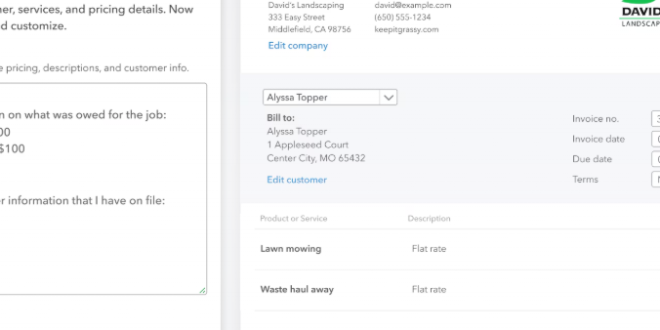
Using online invoicing software can dramatically reduce late payments, simplify financial management, and make your business look more professional from the very first client interaction. Whether you are a freelancer sending a few invoices each month or a company managing dozens of transactions daily, the right invoicing platform saves time that would otherwise disappear into manual paperwork.
Many people start with spreadsheets or handwritten invoices. That works for a while. Then the business grows, clients multiply, and tracking payments suddenly becomes messy.
Good invoicing software fixes that problem before it starts costing money.
Why Businesses Are Switching to Online Invoicing Software
Manual invoicing creates friction. You create documents manually, send reminders yourself, check payment status repeatedly, and waste energy following up on overdue bills.
Modern digital billing systems automate much of that process.
Instead of building invoices from scratch every time, businesses can generate professional invoices in minutes. Some platforms even send automatic reminders when clients miss payment deadlines.
That consistency matters more than most people realize. Clients are far more likely to pay quickly when invoices are clear, organized, and easy to process.
Here are a few benefits businesses commonly experience after switching:
- Faster payment cycles
- Better financial organization
- Reduced human error
- Easier tax preparation
- Improved client communication
The time savings alone often justify the monthly subscription cost.
Features That Actually Matter in Invoicing Software
Many platforms advertise endless features, but only a few truly improve daily workflow.
- Invoice Automation
Automation removes repetitive tasks.
A good system should allow you to:
- Create reusable invoice templates
- Schedule recurring invoices
- Send automatic payment reminders
- Track paid and unpaid invoices in real time
This is especially useful for subscription-based businesses or freelancers working with long-term clients.
Automated payment tracking also reduces awkward conversations because the software handles reminders professionally and consistently.
- Payment Integration
The easier it is for clients to pay, the faster you usually get paid.
Modern platforms often integrate with credit cards, bank transfers, and digital payment gateways. Some even support multiple currencies for international clients.
Businesses working with overseas customers benefit significantly from this flexibility.
- Reporting and Financial Insights
Many beginners ignore reporting tools until tax season becomes stressful.
Strong online invoicing software should provide simple financial reports showing:
| Feature | Why It Matters |
| Revenue tracking | Understand monthly income trends |
| Expense summaries | Simplify bookkeeping |
| Outstanding invoices | Identify unpaid balances quickly |
| Tax reports | Reduce accounting confusion |
These reports help business owners make smarter financial decisions instead of relying on rough estimates.
Best Types of Users for Online Invoicing Tools
Not every business uses invoicing software the same way.
Freelancers usually prioritize simplicity and quick invoice creation. Agencies often need collaboration features and detailed reporting. Larger companies may focus on integrations with small business accounting tools and customer management systems.
That difference matters when choosing software.
A platform designed for enterprise companies may feel unnecessarily complicated for solo professionals. On the other hand, extremely basic tools may struggle once your workload increases.
The smartest approach is matching the software to your current workflow while leaving room for future growth.
Common Mistakes When Choosing Invoicing Software
One common mistake is focusing only on price.
Cheap software sometimes lacks basic features like automated reminders, mobile access, or secure payment integration. Those missing functions can create more work than the savings are worth.
Another issue is ignoring user experience. If creating invoices feels slow or confusing, employees eventually avoid using the system properly.
Security also deserves attention. Financial data should always be protected through encryption, secure login systems, and reliable cloud storage.
Businesses that overlook security often regret it later.
How to Choose the Right Platform for Your Business
The best invoicing software should make billing feel effortless.
Start by identifying your biggest pain point. If late payments are the issue, prioritize automation and reminders. If organization feels chaotic, focus on reporting and client management tools.
Testing a few platforms through free trials usually reveals which system fits naturally into your workflow.
Once invoicing becomes organized and predictable, businesses spend less time chasing payments and more time focusing on growth, client relationships, and delivering quality work.
