 App Stream Watch Movies, Sports, and TV
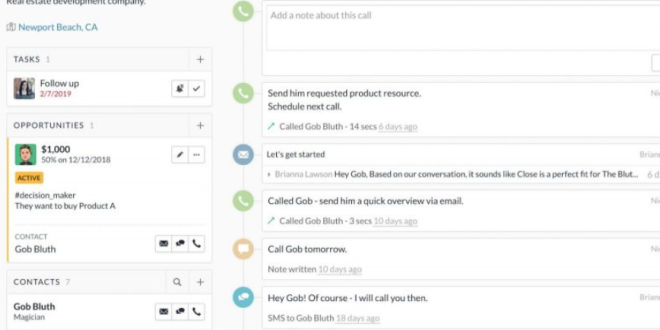
Managing customer relationships efficiently is essential for small businesses aiming to grow. The best CRM software for small business streamlines lead tracking, automates follow-ups, and organizes client information in one place. For beginners and professionals alike, a well-chosen CRM can save time, reduce errors, and improve sales outcomes from the first use.
Why Small Businesses Need CRM Software
Small business owners often juggle multiple roles, making it easy for customer communication to fall through the cracks. A CRM platform centralizes all client interactions, offering:
- Improved Customer Insights: Track purchase history, preferences, and communication patterns.
- Efficient Task Management: Assign follow-ups and reminders to avoid missed opportunities.
- Enhanced Collaboration: Share client information across teams without confusion.
Integrating a CRM solution also reduces reliance on spreadsheets or manual records, freeing time for revenue-generating activities.
LSI Keywords to Consider
To support your main keyword, look for features associated with sales management tools, customer relationship software, and small business automation platforms. These LSI keywords align naturally and boost SEO relevance.
Key Features to Look for in CRM Software
Selecting the right CRM depends on your business size, workflow, and budget. Essential features include:
- Contact and Lead Management
A robust CRM organizes contacts, tracks interactions, and segments leads based on behavior. This allows small teams to focus on high-potential opportunities.
- Task Automation
Automated reminders, email campaigns, and follow-up schedules save time. Teams can focus on closing deals instead of administrative tasks.
- Reporting and Analytics
Understanding sales performance is crucial. Dashboards and reports offer insight into trends, conversion rates, and team productivity, supporting data-driven decisions.
- Integration Capabilities
Integration with email platforms, e-commerce tools, and accounting software ensures a seamless workflow. This reduces the need for duplicate data entry and improves accuracy.
- Mobile Access
A best CRM software for small business should work on mobile devices, allowing teams to manage clients while on the go, attend meetings, or work remotely.
Tips to Maximize CRM Effectiveness
Even the best CRM requires strategic usage. Consider these practices:
- Centralize Data Entry: Ensure all team members consistently log interactions.
- Customize Workflows: Tailor pipelines to match your sales process.
- Monitor Performance: Use analytics to identify bottlenecks and optimize team efforts.
- Train Staff: Regular training increases adoption rates and reduces errors.
Top CRM Software Options for Small Businesses
Several platforms stand out for small business needs, balancing usability and functionality:
| CRM Software | Best For | Key Feature |
| HubSpot CRM | Free Tier and Scalability | Intuitive interface with marketing automation |
| Zoho CRM | Affordable Small Teams | Customizable workflows and reporting |
| Salesforce Essentials | Growing Teams | Robust analytics and integration capabilities |
| Pipedrive | Sales-Focused | Visual sales pipeline management |
Each option has strengths tailored to different business goals. Beginners may prefer simplicity, while growing teams benefit from advanced analytics and automation.
Selecting the best CRM software for small business means aligning features with your current needs and growth plans. Test trial versions, involve your team in evaluations, and prioritize platforms that integrate well with existing tools. The right CRM empowers teams to manage clients efficiently, improve customer experience, and boost sales performance.
Take the step today. Implementing a suitable CRM will transform your customer management from chaotic to organized, giving your small business the structure it needs to scale confidently.
