 App Stream Watch Movies, Sports, and TV
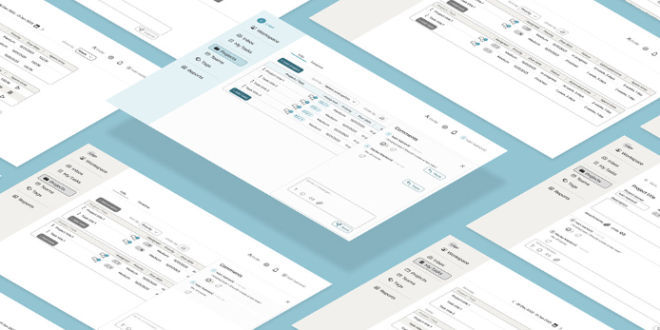
Many freelancers underestimate how much unpaid time disappears into revisions, client calls, and administrative tasks until they start tracking everything properly.
A good tracking tool is not about watching a timer all day. It is about building better habits, improving billing accuracy, and creating a healthier workload without feeling overwhelmed.
Why Freelancers Need a Time Tracking System
Freelancing gives flexibility, but it also creates a problem many traditional employees never face: nobody manages your schedule except you.
Without a clear system, tasks start blending together. A quick client revision turns into a two-hour session. Emails eat half the morning. Suddenly, a full workday feels busy without being productive.
That is where a time tracking app becomes useful. It creates visibility. Once you can see how your hours are spent, better decisions become easier.
Freelancers often use tracking tools for:
- Accurate client billing
- Measuring project profitability
- Managing deadlines
- Reducing distractions
- Improving remote work efficiency
Even experienced professionals struggle with time estimation. Tracking removes guesswork and replaces it with actual data.
Features That Matter in a Time Tracking App for Freelancers
Not every app deserves your subscription money. Some are overloaded with features you may never touch, while others are too basic for growing freelance businesses.
Simple and Fast Time Entry
If tracking time feels annoying, people stop using the app after a week.
The best tools make tracking effortless. One-click timers, automatic tracking, and clean dashboards usually work better than complex systems with endless menus.
Beginners especially benefit from simplicity. You should spend time working, not organizing software.
Project and Client Management
A strong app should separate projects clearly and allow detailed reporting.
For example, you may discover that one client consistently takes more revision time than expected. That insight helps when adjusting pricing or workload in the future.
Good freelance productivity tools also include:
- Task categorization
- Weekly reports
- Invoice generation
- Budget monitoring
- Team collaboration options
These features become increasingly valuable as freelance work grows more demanding.
Cross-Device Compatibility
Freelancers rarely work from one device anymore. You might start a project on a laptop, answer messages from a phone, and review edits on a tablet later at night.
Reliable synchronization matters more than flashy design. Losing tracked hours because of poor syncing creates unnecessary frustration.
Popular Types of Time Tracking Apps
Different freelancers need different systems.
A graphic designer handling creative projects may prefer visual dashboards and lightweight timers. A consultant managing multiple clients often needs detailed reporting and invoice integration.
Here are the most common categories:
| App Type | Best For |
| Basic timer apps | Beginners and solo freelancers |
| Project management trackers | Agencies and larger workloads |
| Automatic tracking apps | Busy professionals who forget manual timers |
| Invoice-focused apps | Freelancers billing hourly clients |
The important part is choosing software that matches your workflow instead of forcing yourself to adapt to a complicated platform.
Common Mistakes Freelancers Make
One mistake is tracking only billable hours.
That approach ignores hidden work like marketing, communication, research, and revisions. Over time, those unpaid tasks can quietly destroy profitability.
Another problem is obsessing over every minute. Time tracking should improve awareness, not create anxiety. The goal is progress and better project time management, not perfection.
Freelancers also tend to switch apps too often. Constantly changing systems creates inconsistency and makes long-term productivity analysis almost impossible.
How to Choose the Right App Without Overcomplicating Things
Start with your biggest problem first.
If you frequently forget to track hours, prioritize automation. If invoicing takes too long, focus on billing features. If projects constantly run over schedule, reporting tools should matter more.
Most freelancers do not need enterprise-level software. A clean interface, accurate tracking, and useful reporting usually provide more value than dozens of advanced features nobody actually uses.
Testing a few apps for one week each often reveals the best option faster than reading endless comparison articles. Once you find a system that fits naturally into your workflow, stick with it long enough to build consistent habits and improve how you manage your business every day.
